
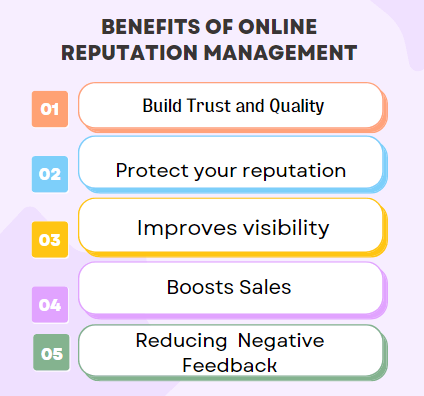
For example, small businesses can make a huge impact just by being trustworthy and offering value to customers. Sol also advises businesses to do their best to meet customer needs and offer a seamless experience, start-to-finish. To conduct regular audits, follow the reputation management guidelines below. This makes sure that your consumers feel they can trust your business and what you have to offer. If customers click on an ad for a new blanket and they’re sent to unrelated content, you’re practicing malicious advertising. It also guides brands to steer away from inappropriate topics.
Keep your promises and follow through
- When you come across negative reviews or comments online, it is essential not to ignore them or lash out in anger.
- Publish high-quality content regularly to improve visibility and suppress negativity.
- Your responsiveness and transparency can turn a poor review into a positive online reputation.
- Before diving into the steps, let’s clarify what online reputation means.
And the reality is (if you don’t intentionally build your reputation), your audience will make assumptions based on whatever they can find—or worse, they won’t find anything at all. If you’re running a business (no matter what size or type it is), your online reputation isn’t just a nice-to-have, it’s everything. I hope you enjoy reading this blog post.If you are interested in having an instant online content team, let’s talk. It includes overall sentiment in search results, social media, and review sites.
Define your goals
If you’ve followed this site for a while — you know I’m bullish on content. Blogging is one of the most reliable ways to demonstrate expertise, earn links, and rank for the questions your customers ask. A few scattered reviews and comments don’t tell the whole story. Ask customers to upload photos along with their reviews, and consider simple prompts , “Show how you’re using it” or “Before/after”,.
With the right strategy and tools — you can ensure your brand is seen the way it truly deserves to be – and that’s something worth striving for. Listen to your audience (learn from feedback), engage authentically, and consistently put your best foot forward. Use your findings to build a crisis management strategy for when something bad happens so you’re insulated from the worst of the fallout.
Grasp the factors that influence your online reputation.
A healthy mix of positive, neutral, and occasional negative reviews looks authentic. If they simply leave a review — that added volume helps dilute the impact of a few negative experiences. The company offers an incentive to encourage participation — without dictating a positive rating. Yelp specifically discourages asking for reviews at all; focus there on great service and profile completeness rather than direct asks. Identify your happiest customers (post-purchase (after support resolutions), or following successful engagements) and ask for feedback while the experience is fresh.
It’s about shaping narratives and ensuring your values are reflected in every digital interaction. ORM , Online Reputation Management, now includes review monitoring, SEO optimization, and sentiment analytics. To stay https://sca-if.com/2026/09/22/trustpilot-8-initiatives-to-enhance-your-score/ competitive, brands must prioritize reputation as a measurable business asset. Though we’re unable to respond directly, your feedback helps us improve this experience for everyone. This is a space to share examples (stories), or insights that don’t fit into any of the previous sections.
This includes being consistent in your messaging (demonstrating your values through your actions), and ensuring that your online presence reflects your brand’s core values. This will control the damage and ensure they stop trashing your business publicly, where other potential customers can see. SEO helps you get noticed, and ORM helps you make sure you’re remembered positively. It’s essential to monitor these platforms regularly, responding promptly and professionally to both positive and negative feedback. Depending on the industry you’re involved in, this includes avoiding inappropriate or offensive material like hate speech or adult content. Cleaning up your digital presence one time isn’t enough to ensure a positive online reputation moving forward.
OnlineReputation.com offers various services to help individuals and businesses monitor — maintain, and boost their online reputation. OnlineReputation.com provides services to optimize your website and content for search engines like Google. Robust search engine optimization (SEO) and an active social media presence are essential to managing your online reputation in 2026.
Ensure the accuracy of your online listings by claiming and optimizing them.
The most significant shift in online reputation management since the rise of social media is the emergence of AI-powered search. BrightLocal found that 88% of consumers say they would use a business that responds to both positive and negative reviews, compared to only 47% who would consider a business that doesn’t respond at all. This includes blog posts, whitepapers, case studies, podcast appearances, and contributed articles in industry publications. Create and publish high-quality content that establishes expertise in your industry.
Defensive responses are screenshot-able, shareable, and often worse than the complaint they were responding to. Responding defensively to negative reviews. Article 19 of the Universal Declaration of Human Rights protects the right to freedom of expression, including the right to publicly criticize brands and businesses.

Predict reputation risks with predictive analytics.
Today, online reputation management isn’t just about damage control. So why does online reputation management matter? Its memetic nature ensures your reputation can spread faster online than ever before. And hey (we all need some help communicating sometimes), don’t we? A good partner will execute ethically (report clearly), and free you to focus on growth.
Let’s delve into the steps you can take to create a plan that will not only protect your brand but enhance your company’s image and bottom line. Kent Campbell is the chief strategist for Reputation X, an award-winning online reputation management agency. While reputation is essentially the sum of other people’s opinions, it can be actively shaped through the actions you take to manage what appears about you online. Companies with high star ratings and positive reviews directly earn more business — research has shown that every additional one-star Yelp rating can increase a business’s revenue by as much as 9 percent. When it comes to online reputation management, the work is never finished, since reputations can often change without notice.
The goal is not to suppress legitimate criticism but to ensure that accurate, representative information is what people encounter first. Unlike traditional public relations (which focuses primarily on media relationships and press coverage), ORM operates across the full digital ecosystem. This includes search engine results, online reviews, social media, news coverage, forums, and — increasingly — AI-generated search summaries from platforms like ChatGPT and Google AI Overviews. The online reputation management software market is projected to grow from $5.2 billion in 2024 to over $14 billion by 2031, reflecting a compound annual growth rate of 13.2%. Acknowledge the concern (remain courteous), and focus on problem-solving rather than being defensive.

When launching a new service line for a major client — I personally reviewed every deliverable for the first three months to ensure it matched the quality standards I had promised in our pitch meeting. Your reputation isn’t built in big moments; it’s built in the follow-through. Instead, I focus on building trust through results and honest conversations.